 University of North Texas


MIND Lab
We develop objective, AI-driven tools that help clinicians make better decisions for
patients with neurological and psychiatric disorders. Our research combines EEG signal
processing, deep learning, and explainable AI to translate brain signals into actionable
clinical insights.
Machine Intelligence for Neurological Disorders Laboratory
Research | Projects | Grants | Publications | Team | Join Us | Contact
The MIND Lab at the University of North Texas develops objective, AI-driven tools that help clinicians make better decisions for patients with neurological and psychiatric disorders. Our research combines EEG signal processing, deep learning, and explainable AI to translate brain signals into actionable clinical insights.
5
Neurological & Psychiatric Disorders Studied
2
Countries — USA and Canada
2
Active IRB-Approved Protocols
460+
Target Patients Across Both Studies
Research Areas
EEG-based machine learning for clinical translation.
EEG-Based Depression Therapy Prediction
Using resting-state EEG biomarkers to predict which depression therapy — SSRIs (escitalopram),
rTMS, or ketamine — will work best for each patient before treatment begins.
ADHD Severity Stratification
Stratifying ADHD severity on a continuous spectrum using EEG biomarkers to enable
personalized treatment selection based on individual patient profiles
Alzheimer's and FTD Classification
EEG-based classifiers for Alzheimer's and FTD using hybrid signal processing methods
— time-frequency analysis, connectivity measures, and novel feature extraction — with
interpretable AI for clinical translation.
Explainable AI for Clinical Decision Support
Applying XAI methods including Grad-CAM++, Integrated Gradients, and SHAP to make
deep learning predictions interpretable and actionable for clinicians.
Seizure Prediction and Classification
Automated seizure prediction and classification from EEG using CNNs combining multi-method feature engineering — time-frequency representations, connectivity measures, and novel signal processing frameworks.
Mother Tree Optimization (MTO)
A nature-inspired optimization algorithm developed by Dr. Korani, applied to feature selection, data clustering, constraint satisfaction, and medical diagnosis.
Current Projects
Our lab is currently conducting two IRB-approved studies with clinical partners in the Dallas–Fort Worth area.
EEG-Based Prediction of Depression Therapy Outcome
Developing and validating objective EEG biomarkers to predict which depression therapy
— SSRIs (escitalopram), rTMS, or ketamine — will produce clinical remission for each
patient before treatment initiation. Two-phase approach: secondary analysis of CAN-BIND
DR008 longitudinal cohort (~309 MDD patients, 5 timepoints) for initial biomarker
discovery, followed by prospective validation in 150 treatment-naive MDD patients
at Center for Integrative Psychiatry under IRB-26-91.
IRB Approved · Active
EEG-Based Prediction of Treatment Outcomes for Depression and ADHD
Prospective EEG data collection from patients with MDD and ADHD at the Center for
Integrative Psychiatry under IRB-26-91 (Full Board Approval, May 2026), in collaboration
with Co-Investigator Dr. Tahir Khwaja, Medical Director and triple board-certified
psychiatrist.
IRB Approved · In Progress
Time-Frequency EEG Representations for Alzheimer's and FTD Classification
Comparing DWT, FBSE, and WVD time-frequency representations for CNN-based discrimination
of Alzheimer's disease from frontotemporal dementia and cognitively normal controls
under strict subject-disjoint validation.
In Progress
In Progress
EEG-Based Seizure Classification
Developing automated CNN-based seizure detection and classification systems using
novel time-frequency feature extraction frameworks. The goal is to identify seizure
types from scalp EEG with high patient-level accuracy under subject-independent validation.
In Progress
In Progress
EEG-Based Seizure Prediction
Extending seizure classification toward pre-ictal state detection — predicting seizure
onset before it occurs using resting-state and ictal EEG biomarkers. This work will
lay the groundwork for a future grant targeting real-time seizure warning systems.
Planned
Planned
Grants & Funding
Our research is supported by competitive federal funding from the National Institutes of Health.
Grant 1 (NIH R21): EEG-Based Neurophysiological Biomarkers for Predicting Depression Therapy Outcome
- Two-phase validation study
- Total funding: $389,868 (April 2027 – March 2029)
- Proposal ID: GFP0003528
- Under Review
Grant 2 (NIH R03): EEG-Based Objective Biomarkers for ADHD Classification and Treatment Stratification
- Small research grant focused on correcting patient-level data leakage issues
- Submitted: October 2026 (PA-25-302)
- Funding: Up to $100,000 (2-year project)
- Submitted
Publications & Resources
Peer-reviewed research advancing EEG-based machine learning for clinical translation.
Depression Therapy Prediction
- Multi-Frequency EEG Fusion and Phase-Based Connectivity for Predicting rTMS Outcomes in Depression. International Conference on Neural Information Processing (ICONIP), 2026 (accepted).
- Fusion techniques of time frequency-based images to predict the outcome of rTMS depression therapy. Biomedical Signal Processing and Control, 2027.
- Predicting the outcome of depression therapies using a pattern of sixteen consecutive bits of EEG signals. Biomedical Signal Processing and Control, 2026.
- Predicting the outcome of rTMS depression therapy using EEG signals and CNN. arXiv preprint, 2026.
- AI-driven depression detection using EEG signal determinants and MTO. AI-Driven Human-Machine Interaction for Biomedical Engineering (book chapter), 2026.
- Predicting Depression Therapy Outcomes Using EEG-Derived Amplitude Polar Maps. Brain Sciences, 2025.
- Dynamical pattern of successive bits to predict the outcomes of the SSRI and rTMS depression therapies using EEG signals. Computers in Biology and Medicine, 2025.
- Time frequency images as predictors for depressed patients’ respondent status to SSRI antidepressant. Biomedical Signal Processing and Control, 2025.
- UNT-AT: a robust software to predict the outcome of depression therapies using EEG signals. ICONIP, 2024.
- TOP-EEG: A Robust Software to Predict the Outcomes of Therapies for Depression Using EEG Signals in DGMD Domain. ICONIP, 2024.
- Prediction of the Outcomes of SSRI Therapy for Depressed Patients Using Tuned Q-Factor Wavelet Transform and EEG Signals. CSCE, 2024.
- Prediction of the Effectiveness of rTMS for Depression. CSCE, 2024.
- Early detection of depression and alcoholism disorders by EEG signal. ICONIP, 2023.
Alzheimer’s and FTD Classification
- EEG-Based Dementia Classification Using Phase Lag Index Connectivity Images and a Compact CNN Framework. ICONIP, 2026 (accepted).
- EEG Time–Frequency Image Encoding with Convolutional Networks for Alzheimer’s and FTD Classification. Brazilian Journal of Physics, 2026.
- WSST-Based Time–Frequency Representation for CNN-Based Dementia Classification from EEG. International Conference on Neuromorphic Systems (ICONS), 2026.
- Raw EEG Image Representation for CNN-Based Dementia Classification. IEEE International Conference on Information Reuse and Integration (IRI), 2026.
- Leveraging Advanced Artificial Intelligence Paradigms for Proactive Prediction and Diagnostic Analysis of Alzheimer’s Disease Pathogenesis. IEEE Conference on Artificial Intelligence (CAI), 2025.
Seizure Detection and Classification
- A significant framework for epilepsy and seizure clusters detection using MSRS-LSTM and FID-DO. Intelligent Data Analysis, 2026.
- Mother tree optimization for early detection of focal seizure using entropy-based features. Artificial Intelligence: A tool for effective diagnostics (book chapter), 2024.
- Automatic detection of seizure activity using EEG signals. Artificial Intelligence: A tool for effective diagnostics (book chapter), 2024.
Other EEG Applications
- Detecting Mental Arithmetic Activities Using the Determinant Feature of EEG Signals in the Dynamic Graph Mode Decomposition Domain. Mathematical and Computational Biology, 2026 (accepted).
Mother Tree Optimization (MTO)
- Mother Tree Optimization Algorithm for Feature Selection. International Conference on Optimization and Learning (OLA), 2025.
- Data Clustering Using Mother Tree Optimization. ICORES, 2025.
- Binary mother tree optimization algorithm for 0/1 knapsack problem. ICONIP, 2023.
- Mother Tree Optimization for Conditional Constraints and Qualitative Preferences. IEEE Symposium Series on Computational Intelligence (SSCI), 2022.
- Discrete Mother Tree Optimization and Swarm Intelligence for Constraint Satisfaction Problems. ICAART, 2022.
- Review on nature-inspired algorithms. Operations Research Forum, 2021.
- Quantum Control for Error Correction using Mother Tree Optimization. ICAART, 2021.
- Mother Tree Optimization for Solving Continuous and Discrete Optimization Problems. PhD thesis, University of Regina, 2021.
- Discrete mother tree optimization for the traveling salesman problem. ICONIP, 2020.
- Breast cancer diagnostic tool using deep feedforward neural network and mother tree optimization. OLA, 2020.
- Mother tree optimization. IEEE International Conference on Systems, Man and Cybernetics (SMC), 2019.
Lab Members
A collaborative team of researchers working at the intersection of neuroscience, data science, and clinical medicine.

Wael Korani, Ph.D.
Principal Investigator
Assistant Professor of Data Science
Dr. Korani leads the MIND Lab at the University of North Texas. His research focuses
on EEG-based machine learning for neurological and psychiatric disorders, with expertise
in time-frequency analysis, explainable AI, and clinical decision support systems.
He has published peer-reviewed studies on EEG-based prediction of depression therapy
outcomes, seizure detection, Alzheimer's classification, and brain tumor detection.
PhD Students

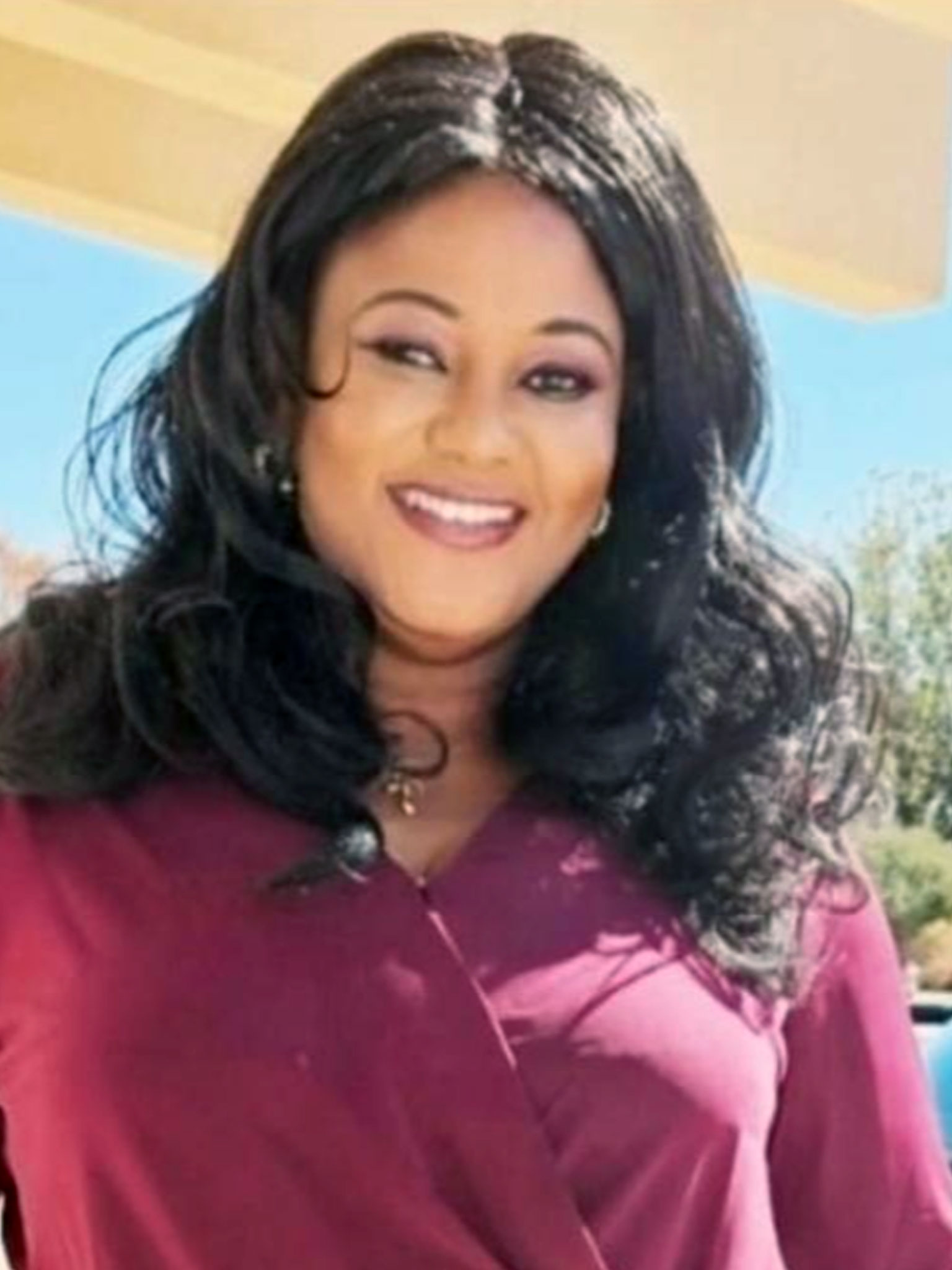
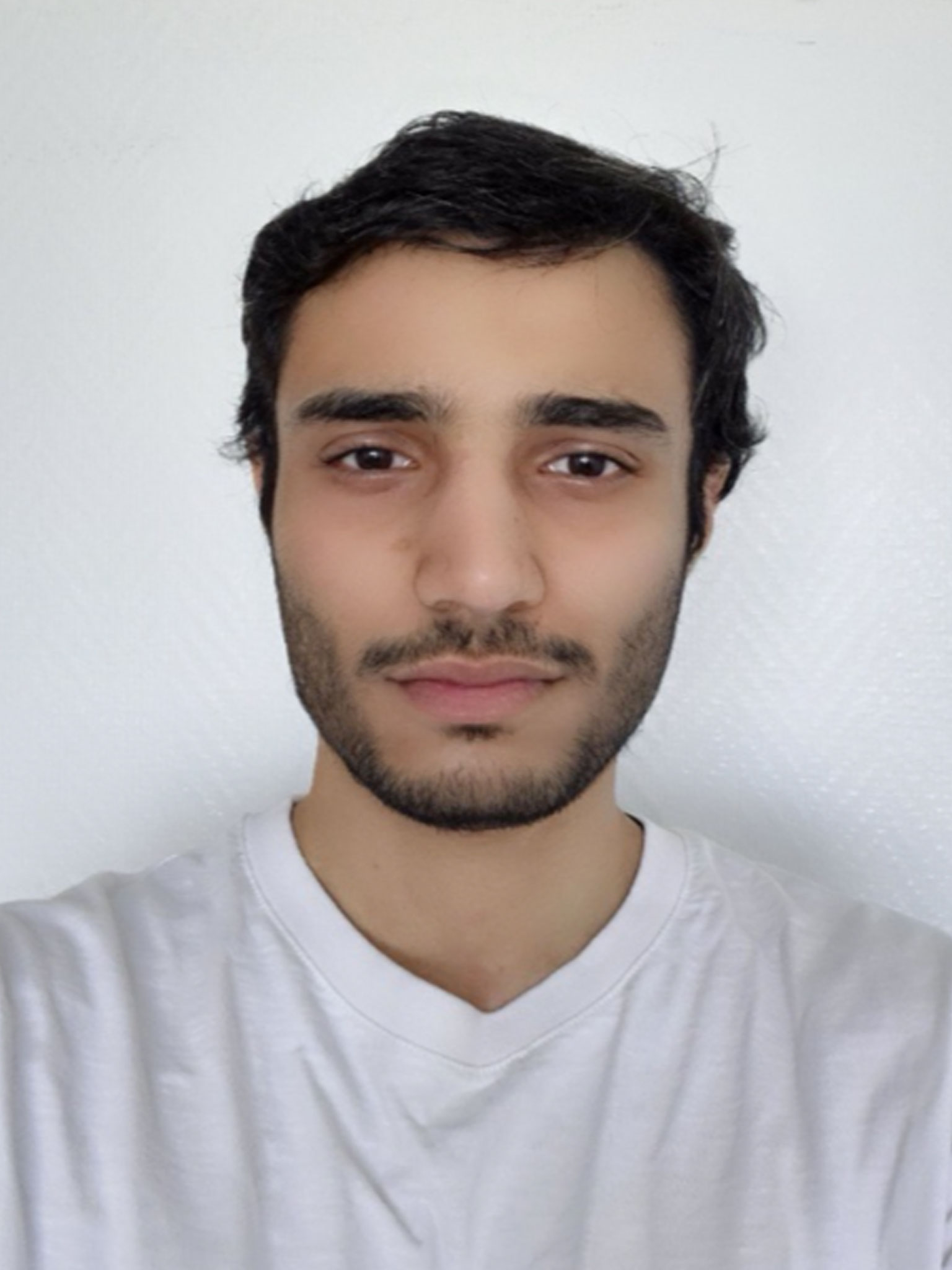
Muhammad Bilal
PhD Student
EEG-based depression therapy outcome prediction using fusion methods

Chakradhar Sai
PhD Student
ADHD classification and discrimination from healthy controls using EEG
Master's Students

Md Fahimul Kabir Chowdhury
Master's Student
EEG-based time-frequency fusion for depression therapy outcome prediction
Shyam Sundar Domakonda
Master's Student
Brain tumor detection and depression therapy outcome prediction
Clinical and Research Collaborators
- Dr. Tahir Khwaja, M.D.Medical Director, Center for Integrative Psychiatry · Coppell and North Dallas, TX
- Dr. Gahangir Hossain, Ph.D.University of North Texas · Department of Data Science
- Dr. Reza Rostami & Dr. Reza KazemiTehran University of Medical Sciences, Iran
Join the MIND Lab
We welcome motivated students and researchers passionate about applying machine learning to advance mental health care.
PhD Students
Funded positions expected pending NIH grant approval. Self-funded and fellowship students
are welcome to apply now. Strong background in signal processing, machine learning,
or neuroscience preferred.
Master's Students
Research opportunities available for master's students interested in EEG analysis,
deep learning, or clinical AI. Prior programming experience in Python required.
Undergraduate Researchers
Motivated undergraduates are encouraged to reach out about research experience opportunities
in our lab. Great preparation for graduate school.
Clinical Collaborators
We actively seek partnerships with psychiatrists and neurologists interested in translational
EEG research. Contact Dr. Korani to discuss collaboration.
Contact
Principal Investigator
Dr. Wael Korani, Ph.D.
Assistant Professor
Department of Data Science
University of North Texas
Assistant Professor
Department of Data Science
University of North Texas
Email
Address
1155 Union Circle
Denton, TX 76203
Discovery Park
Denton, TX 76203
Discovery Park
Phone